Thursday, January 28, 2016

I am happy to announced a new project, which we were working and developing for about a year. It is  up and running. Feel free to contact me with queries:

   Itinerary - Week One

  • Day One: Fly to Durban 
  • Day Two: Travel by private coach from King Shaka International Airport in Durban to Highlands Resort (45 minutes), Cato Ridge, KwaZulu Natal. Enjoy a welcome dinner and settle into your accommodations. 
  • Day Three: Get acclimated to the new time zone and acquainted with the resort with ample leisure time to swim in the pool and walk the grounds. Jakub will host the first of several photographic workshops.
  • Day Four: Travel by private 19-seat coach to St. Lucia (four hours). Visit Durban where you can stroll the beach along the Golden Mile or pay attention to the African, Indian and colonial influences that define this coastal city. Settle in for the night in your deluxe safari tent for two.
  • Day Five: Today we will be on safari in Hluhluwe, KwaZulu Natal’s biggest Game Reserve. We’ll look for photo opportunities with the Big Five: elephant, lion, buffalo, rhinoceros and leopard.
  • Day Six: Spend the day at your leisure in St. Lucia. Beautiful sandy beaches provide artistic inspiration to shoot patterns with your camera. And of course you can swim and play in the Indian Ocean. Evening Hippo boat trip.
  • Day Seven: On today’s guided walking safari, we will be on the lookout for wildebeest, monkeys, waterbucks and warthogs. Before nightfall, we will return to the Highlands Resort.

        Itinerary - Week Two

  • Day Eight: Relax at the Highlands Resort or take an afternoon excursion to a picturesque beach nearby. In the evening, the Young Zulu Warriors Choir will enchant our eyes and ears with their traditional costumes and a moving performance around the bonfire. Guests will have the opportunity to photograph these remarkable young men.
  • Day Nine: We’ll drive today to a geographically scenic area known as the “Thousand Hills,” where we’ll experience the everyday life of people living here. The opportunity to visit with villagers—and perhaps make some donations of clothes or food—will be a meaningful experience.
  • Day Ten: Today our travels take us to the dramatic Drakensberg Mountain Range (90 minutes), which translates to mean “Dragon Mountains.” Accommodations will be in the cozy Sani Lodge, nestled in the foothills of the mountains. Guests will have the option of exploring the magnificent scenery on horseback from the lodge.
  • Day Eleven: We’ll hop into 4x4 jeeps today for a fascinating excursion into the alpine Kingdom of Lesotho. Rocky roads will take us up to 13,000 feet above sea level where the views—and the altitude!—will take your breath away.
  • Day Twelve: From your doorstep at the Sani Lodge, there are countless ways to enjoy the day. Hike up into the mountains or to a nearby waterfall. You can relax by the pool or visit ancient rock art in a local cave. At night, we will return to the Highlands Resort for a final celebratory meal.
  • Day Thirteen: leaving for King Shaka International Airport
  • Day Fourteen: Home Sweet Home

for more informations please visit my web-site: www.jkotasphotography.comor email: jkotasphotography@gmail.com


As a company, we seek challenge. We believe in education, and we never stop exploring the places where we learn and grow. 

We offer unique photography workshops that combine exploration, learning and photography with a focus on improving life in developing countries.   We wish to provide new opportunities for skill-building and work, while embracing the local cultural lifestyle. 

Sunday, January 24, 2016

Hluhluwe Game Reserve - One of the Oldest Protected Wildlife Areas in Africa  

Rich in history the area had been subject to severe hunting first by the Zulu’s during the early 1800s and then in the 1840s by the Great White Hunters, who arrived by Ox Wagon from the Cape of Good Hope ( Cape Town ) and Port Natal ( Durban )to plunder the area’s wildlife resources for skins, ivory and of course Rhino Horn. Hundreds of thousands of animals where shot and in a period less than 50 years the Elephant herds had been slaughtered. and numerous other species were destined for extinction.
By the late 1890 fewer than 100 White Rhino’s had survived in and around the Umfolozi area, the last remaining on Earth. By 1895 the area fortunately received formal protection as a game sanctuary from the Natal Colonial Government as the Imfolozi Junction Reserve, together with the Hluhluwe Valley Reserve.
From the early 60’s new species where reintroduced to the reserves by the Natal Parks Board and and the KwaZulu Natal Conservation Services. The corridor area between the Umfolozi and the Hluhluwe was finally incorporated in 1989 and has contributed in creating a fully functional ecosystem in allowing a natural movement of game between the two areas. The reserve hosts over 1200 plant species, 84 mammal and 350 bird species not to mention the reptiles, amphibians, fish and insects.
The big 5 roam freely today as well as Cheetah and Wild Dogs to mention but just a few of the larger species found within the reserve.
It is also hear that save the rhino campaign was started with only 100 Rhinos left in the world, the game capture team still in operation today operate and deliver animal species world wide.


Thursday, September 3, 2015

Botswana článek pro časopis Xantypa

Xantypa, září 2015, zvláštní narozeninové vydání s mým článkem o cestování Botswanou.


Sunday, July 26, 2015

Basotho Blanket


The History of the Basotho Traditional Blanket

Lesotho people have their own ways of living. Transportation, healing, trading, clothing is very unique in many ways. Every village, every clan has its own totem animal which is sacred to them. They would put motives of such animals into many everyday items to reminds them self of its power and also to distinguished them selfs from others. Motives of clan's animal could be also seen on Traditional Basotho Blankets.           
Nowadays the Basotho tribal blanket (Seanamarena) is such a common sight in Lesotho, that tourists tend to assume that it was a local invention. However, its origins can be traced back to the European traders and missionaries as far back as the 1800s. The popularity and assimilation of the blankets by the Basotho people can be traced back to one single incident.
A blanket was presented to the King Moshoeshoe I. in 1860 by a man by the name of Mr. Howel. The King was by all accounts quite taken with the blanket (“a handsome railway wrapper made of light blue pilot cloth, heavy and hairy”) and wore the blanket in preference to his then neglected traditional leopard skin karosses.
The blanket has become part of not only their everyday life but as a status symbol. To outsiders it became a mark of ethnicity and therefore a token of cultural identification. In fact Lesotho is the only nation south of the Sahara that illustrates the culture of an entire nation through such an individualistic item such as the tribal blanket.


Up to approximately 600 years ago furs, skins and even dried grass were used to keep out the cold during the winter months. By 1860 it was becoming more difficult to procure sufficient skins for Karosses and by 1872 many of the old sheepskin covers had been replaced by crudely made cotton or woollen blankets. Several historians and writers refer to natural disasters, such as continual droughts and the exceptionally cold winter of 1902 (the great snow), as well as the “Rinderpest” outbreak of 1897. These events depleted the wild and domestic animals of Lesotho and the disasters continued well into the twentieth century.
The visible stripes on the blankets are known as “pin-stripes”. According to historical records these 1cm stripes originally came about as a weavers fault. Instead of correcting this fault, the manufacturer shipped them with the “pin-stripe” which subsequently became a traditional feature.
The traditional blankets differ from most modern blankets in that they are almost entirely made of wool (88% wool and 12% cotton), hence their rougher and firmer texture.
Ceremonial uses for Lesotho blankets
Although blanket styles have been subject to outside influences, they are still to this day closely linked with the milestones of Basotho family life:
– Boys preparing for the circumcision ritual don a special fertility blanket known as a moholobela. After the ceremony he’s considered to have reached manhood, and wears another kind of blanket, called the lekhokolo.
– On the occasion of his wedding, a man wears a motlotlehi, and he presents his wife with a serope when their first child is born.
– Before her wedding day, a woman spends a great deal of time trying on and selecting blankets for her trousseau. Women’s blankets are quite different to men’s – they are designed to be pinned over their bosom whereas the men pin them to the right shoulder.
-There are also special occasions in the Basotho’s national life where blankets symbolize the particular event. For instance, on Independence Day or National Tree Planting Day, a man of substance may wear not one but three blankets, namely the Torch blanket, a Victoria and a Sandringham.
More of Lesotho photos could be seen here: click 
Original Source: Blanket Wrap 

Monday, July 20, 2015

God's Golden Acre at Drakensberg

It is the last weekend before the end of school holiday here in South Africa, and even though it is a winter time here, the weather during the day is nice and warm. Ideal for a quick excursion into the Drakensberg Mountain. The sky is spotless most of the time, no clouds, no rain in July and August.
We started to drive to the Southern region of Drakensberg Mountain staying most of the time on the national roads surrounded by ever changing scenery. Two hours in a mini bus and we arrived at the Sani Lodge and Backpackers where we stayed for three days. There is a plenty of hiking trail accessible just off the back door of the lodge. A permit must be obtain in order to hike on most of the trails and a small fee must be paid. We decided to hike the Giant Cup Trail and then hike the Stromness Trail the next day.

The Sani Pass Road into Lesotho.

Yet smiling Syanda. 

Nice day for six hour hike.

Taking it easy. Plenty of opportunity to rest.

Giant Cup Trail into the Unknown. Syanda and Marcus.

Hiking Southern Drakensberg.

Some basic wilderness survival skills are practiced such as reading of a map and orientation
in a new environment.

We were given a ride back to Sani Lodge.


Friday, May 1, 2015

The Elephant That Nearly Killed Me

text edited by: Jacqui Jacques

When we decided to go to the South African Republic, we withdrew our daughter from school.  We felt it was important for her to see that there is a different world outside the one she knew. It would also be a great opportunity for her to practice English. However, with her charisma and personality, she had the South Africans learning her language instead! She went along with that for quite some time. It wasn't until she met a young girl from Switzerland who she started to speak English with. We have created so many amazing stories, traveling and meeting people in Africa.  One experience even came close to leaving no one left to tell these stories.

The highlight of our stay in Africa was about to begin. We had rented a car and gathered a few tips on where to go and stay in Botswana. A big white spot on the map, waiting for us to discover it.  We picked up hitchhikers along the way, learning about their country and traditions. They were alway willing to tell us about their locals-only, secret places that cannot be found in any books or magazines. This is how we learned about a little campsite somewhere between Nata and Kasane. It is in a two hundred kilometer stretch between these two cities, with only one little town and a gas station in the center. It is a place the lions like to visit. There are free roaming cattle everywhere here, which are an easy catch for these powerful cats. The lions kill a large number of cows each year and, naturally, no lions were killed by the cows. So, the African government pays the townspeople for their losses. Botswana; wide, open country, very few people and heavily populated by wild animals. Paradise.

The Sun had almost disappeared beyond the horizon by the time we arrived at the campsite. Pitching a tent and leaving the vehicle was out of the question. Lions and hyenas were all around. It gets dark very early and quickly in this part of the world, so we laid back talking. Although the sky above us was clear and full of stars, we could see a major thunderstorm in the distance. It was a magnificent night. There were sights and trumpet sounds of elephants in the distance. For fifteen years, I have been photographing wild animals on three different continents, and I've learned one simple rule. If the animal approaches You, that means it feels confident, safe and will cause no harm. Well, elephants down there play by different rules.
    The time we spent with South African elephants was life changing.  We learned from rangers about their behaviors.  We had also learned a lot by talking to native people who have grown up around these magnificent, wise, and gigantic creatures. We loved them, and thought that they felt the same way about us. Our daughter grew up trusting and loving animals. She is so confident, that she was able to tame a partially wild horse when she was nine years old.
    That night, we could hear the elephants trumpeting all around us but we staid calm, excited but calm. They were approaching us. We could hear them talking on the left, on the right and in front of us.  It was like being in a Jurassic Park movie, only it was for real. The trumpets go on and on for so long that we settle into it and fall asleep. Not for long.  When I opened my eyes, the moonlight is strong, allowing me to see about twenty five meters into the dark night. There he was, the giant of all giants. He strolled quietly within a few meters of the car, followed by another one, and then another one. They were emerging from the dark into my small circle of visibility, like dolphins from the deep ocean. Last came the baby; a tiny little elephant possibly a newborn. I watched from behind the steering wheel as it passed by. Klaudie was sleeping next to me. Liba was also awake, watching this incredible night parade from the comfort of the rear seat. The same moment the baby passed us by, there appeared two elephants, standing within touching distance of the vehicle's hood. I could not move a muscle, as I knew they would immediately charge us. One second later, We felt something lift the vehicle from behind. With gentle but strong force, it pushed the car straight forward. I knew that this was not good, but I was still hoping that it was just a short warning. When the elephant lifted and pushed the vehicle for second time, it changed direction at about ninety degrees; continuing again with the same force.  How many times I had lifted an ant on a small piece of wood, and I know what it feels like! We were heading straight for the bushes, toward the deep sand and a point of no return. As I prayed, I tried to find the key and start the car. When the elephant pushed for the third time, the rear windshield broke into a billion tiny pieces. Now there was nothing between the animal and us. The only positive thing we had going for us was that the elephant pushed us away from the direction of the bush. I started the engine, the lights turned on and everything stopped. The baby was faraway now, and it seemed like his family had decided to leave. It was still hard to believe what was happening. The engine was running, the lights were on, but the front wheels were buried in the sand and unable to move. No rear windshield and a bunch of stressed out elephants running around to top it off. It felt very unsafe to remain in the car.  We did what felt like wasn't necessarily the best thing to do, but it felt right at the moment. We decided to leave the car and climb a nearby tall tree. Klaudie was still sleeping, so we gave her a few seconds to wake and then went out to the tree. There is no need to describe how we got on the top of a fifteen-meter-tall tree, but let's just say that we humans are able to do incredible things while running high on adrenaline. We all sat securely in the fork of a huge branch. It felt much better than siting helplessly inside the car. The elephants were still near by. Running, roaring, and destroying the bush around us. At one point, we could see the whole herd stampeding across the dirt road and disappearing into the dark. About thirty five to forty wild giants. So there we were, sitting in the tree tops in the middle of nowhere. It was deep in the night and our car is smashed and half-buried. We couldn't go anywhere even if we tried. We had no way to make a phone call and the closest main road is dangerously far. There seemed only one solution; to climb down and dig out the car with my bare hands. I did not even looked once to see if there was an elephant around while rescuing the car. I was focused on our survival. In my head, I pretended that what I was doing was a normal, everyday task. It worked, and soon enough we had the car safely out and on the dirt road. Finally, we had to climb up the tree again and bring Klaudie to the car which was not an easy task. It was much easier going up with our adrenaline pumping. After we retrieved her, we drove into the night.
We had about two and half hours of driving ahead of us. We did not talk much, if at all, on the ride. There were thousands of questions swirling in my head. Only practical questions, for whatever reason. I had no need to question why this had happened to us. I was satisfied knowing that we were alright. We were expecting a friend from Scotland to join us in a few days and I worried that he would not have a place for luggage in our open air trunk.  We had to go the police station and get the paperwork for insurance. We had to exchange the car for a new one. But first and most importantly, we had to get to the Nata and find a place to sleep.

It is two a clock in the morning and this is Botswana.

See more photos here


Saturday, September 14, 2013

Jakub Kotas ve Slezskoostravské galerii
Výstava fotografa Jakuba Kotase ve Slezskoostravské galerii nazvaná Cesta za obzor byla zahájena 6. listopadu a potrvá až do 6. ledna. Během vernisáže se konala i módní přehlídka, kdy modelky byly oblečeny do šatů s potisky Kotasových fotografií. Fotograf Jakub Kotas je rodákem ze Slezské Ostravy, dlouhá léta žil v USA, kde měl i své fotografické studio. Výstava obsahuje fotografie, které Jakub Kotas fotil v Evropě stejně jako ve Spojených státech.
Odkaz na původní článek www.slezskoostravskagalerie.cz


Tuesday, September 10, 2013

Tuesday, May 28, 2013

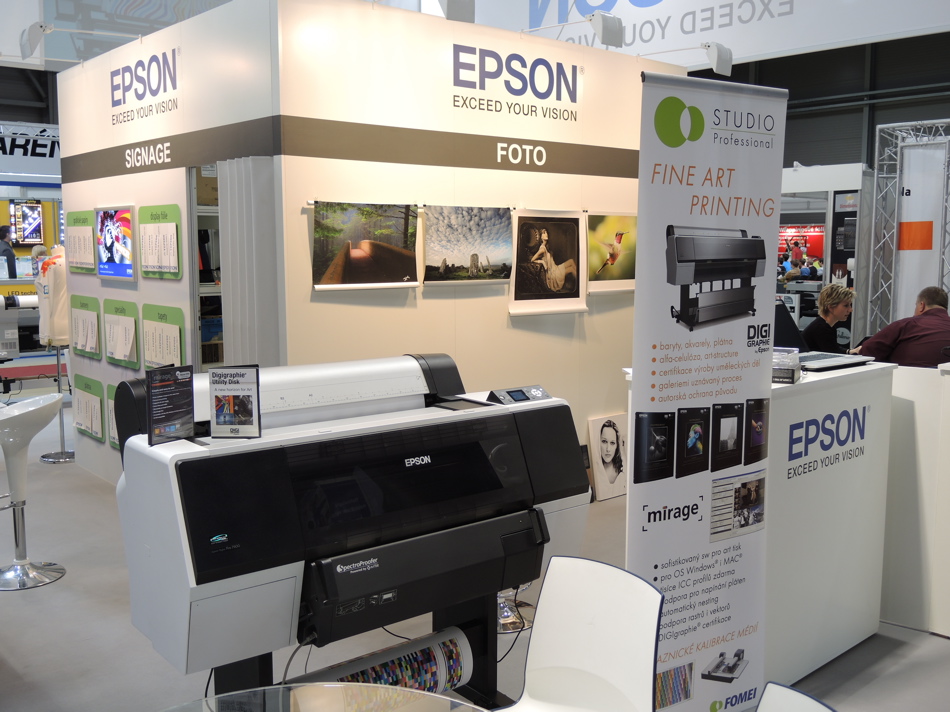
Jakub Kotas je Epson


Fomei participovala na stánku Epson na veletrhu Reklama-Polygraf 2013, který se konal v polovině května v pražských Letňanech. Dvacátý ročník.

Epson tradičně prezentuje své portfolio za spolupráce svých tzv. ProFocus partnerů. Fomei je Epson ProFocus partner pro oblast fine art a velkoformátového tisku. Plnou exkluzivitu pak Fomei získala na tyto projekty:
·        Epson SureLab – minilabové řešení Epson
·        Epson DIGIgraphie – systém tisku a prodeje limitovaných edicí uměleckých děl

Právě tyto dvě uvedené komodity Fomei na veletrhu R-P 2013 prezentovala. Logicky se Fomei obrátila na DIGIgraphera Jakuba Kotase (a DIGIlab Moana z ČB) a požádala ho o spolupráci.

Byli jsme překvapeni, kolik fotografů a fine art tiskařů si cestu na polygrafický veletrh našlo. Samozřejmě je to dáno také neexistencí fotografického veletrhu. Ale objektivně je třeba říci, že foto expozice Epson byla oproti jiným návštěvníky hojně obklopená. Děkujeme za spolupráci, Jakube!

Za Fomei zdraví Honza.

Ing. Jan Kaiser, Ph.D. Digital Color Imaging
FOMEI a.s., divize FOTO


Děkuji za možnost účastnit se této akcičky. Moc děkuju Honzo. Zobrazit jiné aktivity s Honzou Kaiserem.

Video z vernisáže Cesty za obzor a oražení první Digigraphie.

Zobrazit Digigraphie


Friday, February 22, 2013

Mountain goats pictured leaping between rocks as they play by a Colorado lake

Photographer Jakub Kotas, who took the stunning images, said the animals appeared to make a game out what is normally a short cut across the lake.
Read more here 

Wednesday, November 21, 2012

Jak jsem potkal Yettiho


Ačkoli svým vzhledem spíše připomíná kozu (odtud i anglický názevMountain goat), jedná se o kamzíka - a to o severoamerického Kamzíka běláka“ (Oreamnos americanus). Do Skalistých hor se dostal během poslední doby ledové, cca před 10 000 lety. Zadaptoval se a už tam zůstal. Osobně si myslím, že především kvůli klidu, který jim horský terén poskytuje. Vezmeme-li v potaz jeho čistě bílou barvu srsti a nadmořskou výšku 3000 m, ve které žije a kde je téměř 7 měsíců sníh, dalo by se mu přezdívat „mistr kamufláž“. Krátké ostré zahnuté růžky používá především na obranu proti predátorům, nikdy však pro boj uvnitř stáda, k boji s ostatními.. Je si vědom velké pravděpodobnosti zranění a každá i malá újma oslabí jedince a znemožní mu přečkat krutou a dlouhou zimu. Ohleduplnost par excellence. Ne, že by nesváděli mezi sebou drobné bojůvky, ty jsou na denním pořádku, jde však spíše o převahu u míst, kde na povrch vyvěrá sůl. U takovýchto „vřídel“ se kozy shlukují hlavně na jaře. Jako ostatní kopytníci potřebují ke svému životu sůl, kterou jejich organismus není schopen vyrobit z potravy, proto se i koňům, ovcím, srnám, atd. přidává k potravě. No a u těchto slaných lizů, když  k nim dorazí stádo, tak samozřejmě jdou nejprve ti nejsilnější jedinci, po nich „kojící matky“ (malí kamzíci sůl nelížou, dostávají ji od matky v mléce) a pak až ti ostatní. Pochopitelně, že matka tu a tam musí odehnat nějakou netrpělivou kamzici, či kamzíka, jedná se však o jakousi zastrašovací pózu, které všichni rozumí, či o velmi jemnou hierarchii ve stádě, která vzniká po generace a které rozumí jen její členové. Jak už bylo řečeno, jedná se o zvířata nesmírně ohleduplná a cítící jeden k druhému. Jsou velmi plachá a kdykoliv jim hrozí nebezpečí, či se objeví cokoli jim neznámé, obratně prchají, využívajíc své skvělé znalosti terénu. Když je to jen trochu možné, obíhají nejbližší vyvýšeninu a jakmile jsou kryti kopcem, stoupají na jeho vrchol, kde se objeví velmi rychle. Odtamtud mají přehled o pohybu predátora. Jestliže člověk obdivuje rychlost u antilop, pak u kamzíků je to vytrvalost a síla, která toto zvíře pohání v nadmořské výšce nad 3 000 metrů.


Já vždycky obdivoval jejich výraz, když se mi podařilo je potkat při nějakém „sportovním výkonu“, škrábající se do stěny, kde by se málokdo z nás odvážil bez lana. Oni si to klidně vyskáčou a ani se nezadýchají. Pokaždé mi přišlo, že vidím úsměv a radost z té vydané energie, jako by jí měli na rozdávání.


Život kamzíka je skvělý, celý den chodíte po horách, otevírají se vám výhledy, za které producenti hollywoodských filmů platí obrovské peníze, jste stále na čerstvém vzduchu, vybaveni tou nejlepší gore texovou bundou a vaší jedinou starostí je přežít.


Každičký den putujete nemalé vzdálenosti v obtížném horském terénu, potkáváte se s různými spoluobyvateli lesů a hor. Jste tam v létě, v zimě. Vidíte všechny změny v okolí tak, jak se střídají roční období. Vidíte hory pod sněhem, vidíte je ztrácet se v jitřním oparu. Jste tam, když skončí bouřka, roztrhne se mrak a údolí rozsvítí paprsek. Jste tam, když padne první sněhová vločka brzy v září. Vidíte, jak se tvoří drobná stáda v říji, kdy si nejsilnější samec odvádí ty nejsilnější samice. O pár měsíců později vidíte téhož samce, jak věrný svému stádu razí cestu v hlubokém sněhu. Potkáváte jej znovu, to už je tepleji, jarní slunce vypaluje na horské tundře pokryté sněhem hnědé koláče. Vidíte téhož samce, ale je velmi odlišný od toho, jehož jste naposledy viděli razit cestu. Je pohublý. Kosti a kůže. Cestou někde ztratil polovinu sebe sama. Taky je však bohatší o velkou zkušenost. Razil cestu svému stádu jednu dlouhou horskou zimu v Coloradu.

Digigraphie® EN


A few words about new possibilities and limited edition philosophy as Epson describes it:
QUALITY ASSURED FIRST TIME, EVERY TIME
How can you reproduce a work of fine art which is durable while completely preserving its quality, uniqueness and originality? The answer’s simpler than you might think – and it’s called Digigraphie.
Digigraphie is the result of many years of research by Epson into achieving the highest technical performance from the combination of its printers, long-established Epson UltraChromeTM inks and the highest quality fine-art media.
With Digigraphie you can utilise the very latest advances in digital technology, whilst being assured of the very highest standards of digital art reproduction. We have also selected a range of high-quality art papers that are Digigraphie certified – all tested by independent laboratories to guarantee the stability of prints over time.

SETTING THE STANDARD
Epson have been at the forefront of printing and ink development for many years now, and have an unparalleled heritage within the world of digital fine art reproduction.
In 2002, the introduction of Epson’s UltraChrome ink combined with Epson’s superior print technologies and its ability to print on a wide range of specialised fine art material, set a new benchmark for Giclée digital fine art printing. By making the technology more affordable, this gave the artist more control and more flexibility over the reproduction of their work, expanding the opportunities in this market like never before. The market for digital fine art reproduction had changed forever.
By 2009, UltraChrome ink had evolved into its 4th generation with the introduction of the UltraChrome HDR (High Dynamic Range) inkset, offering the widest colour gamut in the market.
Digigraphie by Epson enables artists, galleries and museums alike to maximise their opportunities within the world of fine art.

SEAL OF APPROVAL
In 2004 the Royal Academy of Arts selected Epson as their key partner to support their Royal Academy Schools Programme, and together they built and created the Epson Digital Media Suite.
Since then, Epson printers, ink and recommended high quality media have been used by the Schools to enrich and enhance their digital and video facilities. The Royal Academy Schools is the oldest art school in the UK that selects elite students from hundreds of applicants around the world and enables them to realise their ambitions within the world of fine arts.


HOW TO GET INVOLVED
Digigraphie by Epson enables artists, galleries and museums alike to maximise their opportunities within the world of fine artists, galleries and museums to add value to their work exclusively, by using the very best printing technology together with our choice of certified fine art media.
The benefits of becoming a Digigrapher include:
•Digigraphie artists have their own website (www.digigraphie.com) enabling you to upload and showcase your work to a wider audience around the world
• Add value to your limited edition prints with the official Digigraphie by Epson stamp and certificate of authenticity
• As a Digigrapher, you will be entitled to exclusive discounts on Epson printers and selected fine art media. Plus, we will keep you up-to-date with all the latest news from Epson
•You can enter your work into the competition to become the Epson UK Digigrapher of the Year.
How to get involved
To become a Digigrapher you must either:
• Own an Epson Stylus Pro printer and use the certified high quality recommended media
or
• Use an Epson Digigraphie – approved laboratory to print your work

Digigraphie® CZ


Technologie Digigraphie  od společnosti Epson zajišťuje ty nejvyšší standardy pro reprodukci digitálního umění. S technologií Digigraphie  může svět umění využívat výhody digitální technologie a zároveň zajistit výjimečnou kvalitu a stálost zhotovených děl.
Technologie Digigraphie  je výsledkem mnohaletého vývoje společnosti Epson a dosahuje vysokého výkonu díky jejím tiskárnám a pigmentovým inkoustům Epson UltraChromeTM.
A výsledek? Díky technologii Digigraphie  je možné vyrábět či reprodukovat limitované edice obrazů, na které budou vaši zákazníci pyšní. Každý výtvor může mít svoji vlastní jedinečnou digitální repliku, protože jednotlivé kopie jsou očíslovány, zaznamenány a podepsány umělcem.
Technologie Digigraphie  je zárukou dokonalosti díky přísným kriteriím a pravidlům použití. Proto pokud se vašim digitálním reprodukcím dostane označení sbírky Digigraphie  Collection, přidá jim to na hodnotě.

Původ
Ačkoliv značka Digigraphie® vznikla poměrně nedávno, samotný princip existuje mnohem déle. Značka Digigraphie® byla oficiálně představena 13. listopadu 2003 při příležitosti stého výročí výstavy Autumn Exhibition v Paříži ve Francii. Po mnoho let fotografové, sochaři, malíři, fotolaboratoře i litografická studia používali technologii tiskáren Epson k tisku fotografií ve vysoké kvalitě, až nakonec vznikl samostatný obor: tisk digitálních děl.

Hledání jména
Jak ale pojmenovat výtisky digitálního umění vytištěné na tiskárnách Epson? Tato otázka vyvstala již v roce 1991 ve Spojených státech amerických. Hlavní tiskař v grafickém studiu Nash Editions, Jack Duganne, hledal nějaký způsob, jak obecně popsat obrazy od Diane Bartze vytisknuté na inkoustových tiskárnách. Použil francouzský výraz „jet d’encre“ (inkoustový), který změnil na „gicleur“ (tryska) a poté na „Giclée“ (nanesený). I francouzští umělci čelili stejnému problému jako pan Duganne. Okamžitě zamítli výraz „inkoustový výtisk“, neboť se jim zdál nevhodný k popisu umělecké fotografie. Někteří umělci se proto rozhodli, že vytvoří svůj vlastní název. To byl případ například Philipa Plissona, krajináře zaměřujícího se na moře, který vytvořil pojem „pixografie“, nebo Jean-Noëla I'Harmeroulta, módního fotografa, který nazýval svoje díla „hyperchromy“. Tito dva umělci používali vlastní označení, které by vystihovalo jejich limitovanou edici uměleckých výtisků vytvořených za použití tiskáren Epson pro tisk profesionálních fotografií. Bylo zřejmé, že je potřeba zavést průmyslový standard.

Nástup označení Digigraphie
Po rozsáhlých studiích ve spolupráci s umělci i zákazníky zaregistrovala společnost Epson France v roce 2003 jméno Digigraphie® u INPI (Institute Nationale De La Properiété Industrielle – Národní úřad průmyslového vlastnictví) a OHMI (Úřad pro harmonizaci ve vnitřním trhu). Obchodní známka se poté stala evropskou. Všichni, kteří byli ochotni přizpůsobit se pravidlům použití, mohli toto označení používat.

Nové techniky při vytváření uměni
Díky technologii používané tiskárnami Epson a kvalitě inkoustů UltraChromeTM přispěla společnost Epson trhu s uměním novými možnostmi pro umělce, galerie
a muzea.


Výběr uměleckého papíru

Dosažení statusu Digigraphie® závisí na použitém materiálu. Společnost Epson proto určila řadu vysoce kvalitních uměleckých papírů, které jsou vhodné pro technologii Digigraphie®: mimořádně jemný papír, hladký umělecký papír, plátno, tradiční fotografický papír a také matný papír s povrchovou úpravou Diasec®. Všechny tyto materiály byly testovány nezávislými laboratořemi, aby byla zaručena stálost výtisků. Úplný seznam uměleckých papírů je dostupný na webové adrese www.digigraphie.com


Digigraphie – jistota kvality
Společnost Epson vytvořila kontrolní komisi, která je složena
a pravidla pro používání technologie Digigraphie® a tím zajistit jejich
z fotografů, sochařů a malířů. Její rolí je stanovit přesná kritéria
sjednocení v různých uměleckých odvětvích v současnosti i při následném vývoji technologie. Komise také plní funkci poradce při přizpůsobování technologie společnosti Epson pro konkrétní požadavky umělců.


Proč technologie Digigraphie® – a pro koho je určena?

Svět umění
Nejen umělci a muzea vyžadují více svobody, větší přehled a lepší kontrolu nad reprodukcí děl. I zákazníci si chtějí být jisti kvalitou a životností svých oblíbených prací.

Fotograf nezachycuje pouze obraz, ale vyprodukuje i výtisk a dá mu vzhled, jaký se mu zamlouvá. Možnosti jsou nezměrné.


Větší přehled

Obecně platí, že každý originální výtvor je jedinečný. Každý umělec je díky technologii Digigraphie® schopen vytvořit sérii vysoce kvalitních výtisků a tím zvýšit svoje distribuční možnosti.


Tvorba pod kontrolou
Technologie tisku společnosti Epson umožňuje umělcům dohlížet na kvalitu a množství svých výtvorů. Technologie Digigraphie® zabraňuje plagiátorství díky tomu, že každé dílo je očíslováno, označeno a podepsáno. Každý výtisk je částí limitované edice.

Výtisky podle přání
Umělci mohou svoje práce tisknout, kdykoli chtějí, aniž by přitom riskovali znehodnocení svých výtvorů. Technologie Digigraphie® společnosti Epson zaručuje dokonalou reprodukci barev i odstínů, které i s postupem času zůstanou neměnné, čímž umožňují umělcům zhotovovat svá díla v závislosti na poptávce.
Odkaz pro budoucnost
Použití technologie Digigraphie® společnosti Epson znamená prodloužení životnosti výtvoru. Umělci mají nové možnosti pro své vyjádření a zároveň podporu při obnovování svého odkazu, což je hodnotná alternativa jak pro jediný výtvor, tak i pro velké množství výtisků.
Galerie on-line
Umělci, kteří využívají technologii Digigraphie®, nyní mají svoji vlastní webovou stránku: www.digigraphie.com  
Umělec se zde může zaregistrovat a v galerii online prezentovat své portfolio certifikovaných digigrafií.

Galerie přetékající životem
Technologie Digigraphie® společnosti Epson nabízí solidní vyhlídky také pro galerie. Jednou z výhod, které technologie Digigraphie® nabízí, je originalita prací. Každý výtisk vytvořený díky technologii Digigraphie® je ve výsledku původním výtvorem, který je očíslován a podepsán. Galerie tím pádem mohou uspokojit libovolně velkou poptávku po jednom díle a vydávat omezené série jedinečných uměleckých děl.
Sbírka digigrafií Digigraphies Collection
Mezi další výhody technologie Digigraphie® společnosti Epson patří i speciální sbírka digigrafií Digigraphies Collection. Tímto zvláštním názvem se označují díla zesnulých umělců. Každý dědic může vytvořit digigrafii podle originálu po zesnulém a nechat ji vystavit v galerii. Jedná se tedy o způsob, jak odkaz umělce znovu zhodnotit.

Značka Digigraphie  Collection přitahuje muzea po celé Evropě. Všechna muzea, národní i soukromá, mají nyní možnost nabídnout svým návštěvníkům šanci získat kvalitní umělecká díla z limitovaných edicí. Technologie Digigraphie® společnosti Epson nabízí návštěvníkům jedinečnou příležitost odejít s výjimečnou a trvalou reprodukcí jejich oblíbených
maleb či fotografií. Je to úžasná možnost donést si umělecký odkaz přímo domů. Prodej sbírky Digigraphie  Collections je vhodný pro stálé výstavy i dočasné expozice.
Značka Digigraphie  v muzeu Louvre
Na nedávné výstavě malíře Jean-Auguste-Dominique Ingrese (1780–1867) reprodukovalo muzeum Louvre a RMN (asociace Francouzského národního muzea) jeho 12 obrazů jako součást limitované edice, což bylo možné díky sbírce digigrafií Digigraphie® Collection společnosti Epson.
I další muzea využívají technologii Digigraphie společnosti Epson ke zvýšení kvality svých služeb, a to prodejem reprodukovaných obrazů ve svých obchodech. Mezi taková lze počítat i muzeum Albert-Kahn u Paříže, nové muzeum v Monaku či muzeum v Orleans.

Jakub Kotas - zobrazit Digigraphie

Jakub Kotas - koupit Digigraphie